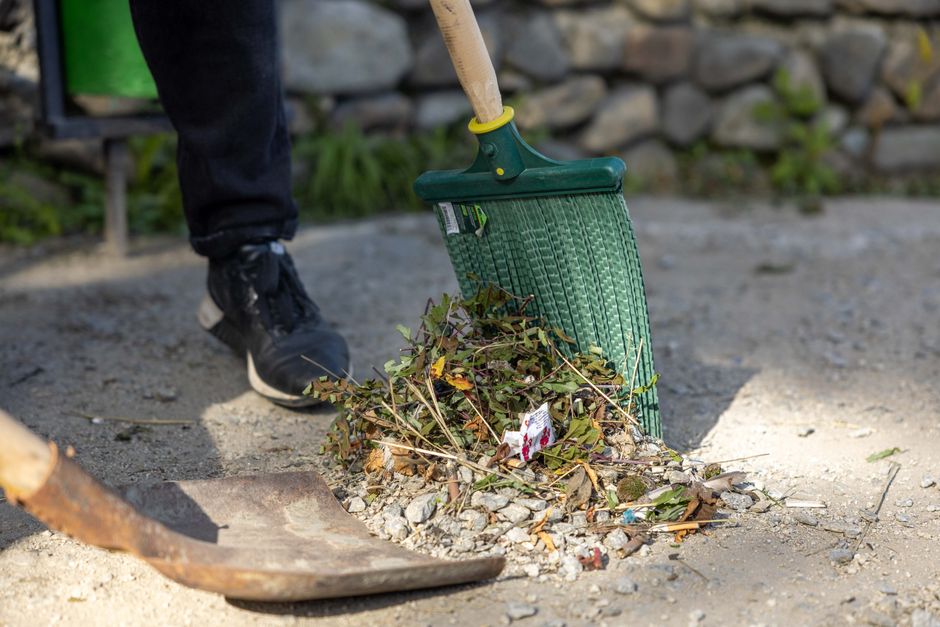
Ealing Council hedge and tree trimming rules for gardeners
If you garden in Ealing, hedge and tree work can feel straightforward right up until it isn't. One minute you're trimming back an overgrown hedge for a neat finish; the next you're wondering whether the tree is protected, whether the boundary matters, or whether the neighbour is about to complain. That is exactly why understanding Ealing Council hedge and tree trimming rules for gardeners matters. It helps you keep work tidy, legal, and calm - which, let's face it, is usually the real goal.
This guide explains the practical side of garden hedge trimming and tree care in Ealing: what gardeners should check, what to avoid, how to work safely, and when a job is better left to a specialist. It is written for real-world use, not theory. If you manage regular maintenance, you will also find sensible links between trimming, garden clearance, and broader garden maintenance services such as garden maintenance and hedge trimming.
Key takeaway: the safest approach is simple - confirm ownership and permissions first, identify any protected trees or boundary issues early, trim in a way that respects nesting birds and neighbour access, and document anything that could become disputed later. That small bit of care can save a lot of hassle.
Table of Contents
- Why Ealing Council hedge and tree trimming rules for gardeners Matters
- How Ealing Council hedge and tree trimming rules for gardeners Works
- Key Benefits and Practical Advantages
- Who This Is For and When It Makes Sense
- Step-by-Step Guidance
- Expert Tips for Better Results
- Common Mistakes to Avoid
- Tools, Resources and Recommendations
- Law, Compliance, Standards, or Best Practice
- Options, Methods, or Comparison Table
- Case Study or Real-World Example
- Practical Checklist
- Conclusion
- Frequently Asked Questions
Why Ealing Council hedge and tree trimming rules for gardeners Matters
Most trimming jobs look harmless until they touch a protected tree, a shared boundary, or a hedge that has become part of a neighbour dispute. In Ealing, as in the rest of London, gardeners need to think about more than the visual finish. There can be planning controls, conservation area considerations, tree preservation issues, wildlife protections, and simple civil responsibility around overhanging growth.
That sounds like a lot, but in practice the aim is sensible: do the work without damaging important trees, causing avoidable conflict, or creating unsafe conditions. A neatly clipped hedge can improve light, access, and appearance. A badly handled cut, on the other hand, can leave a tree stressed, a hedge ragged, or a customer embarrassed when a complaint lands two days later. Not ideal.
It also matters because gardeners are often the first person on site to notice a problem. You might see fungus at the base of a trunk, deadwood high in the crown, or a hedge that is leaning into a footpath. A good gardener does not just cut; they notice, assess, and act responsibly.
There is another layer too: trust. Homeowners usually want someone who can keep the garden tidy without creating council trouble or safety risks. If you can explain the practical boundaries clearly, people relax. They stop asking anxious questions about permissions and start focusing on the result they want.
How Ealing Council hedge and tree trimming rules for gardeners Works
The easiest way to think about the rules is this: not every hedge or tree can be cut in the same way, at the same time, or without checking first. Some work is routine maintenance. Some work needs caution. Some work may require formal permission, especially if the tree is protected or the property sits in a sensitive planning context.
For gardeners, the workflow is usually:
- Identify what you are trimming - hedge, shrub, young tree, mature tree, or boundary planting.
- Check whether the plant is owned by the client, shared, or partly outside the property line.
- Look for signs of protection or restriction, such as a tree preservation order, conservation area context, or a tree with obvious heritage value.
- Assess seasonality and wildlife risk, especially nesting birds during the main breeding period.
- Choose the correct method and tools for the job.
- Carry out the work neatly, safely, and without overcutting.
- Dispose of arisings properly, ideally through sensible garden clearance or green waste management.
That sequence sounds formal, but in real life it is often just a careful five-minute walk around the garden before the first cut. The small pause pays off. It really does.
When a hedge borders a pavement or shared drive, extra care is needed. You may need to keep access clear and avoid pushing cuttings into public space. If branches overhang a boundary, the law and the practical etiquette are not always the same thing, so it helps to stay measured and document what was done.
For larger or riskier work, many gardeners bring in specialist support. A mature tree with awkward lean, dead limbs, or previous storm damage is not the same as a neat ornamental hedge. In those cases, tree-specific help such as tree lopping and removal may be the safer route, particularly where ladders, chainsaws, or traffic-sensitive access are involved.
Key Benefits and Practical Advantages
Following the right hedge and tree trimming approach is not just about compliance. It makes the work cleaner, faster, and far less stressful for everyone involved.
- Fewer disputes: clear boundaries and careful cuts reduce neighbour complaints.
- Better plant health: sensible pruning is less likely to shock a hedge or tree.
- Safer working conditions: good planning helps avoid unstable ladders, hidden hazards, and falling debris.
- Cleaner presentation: clients usually notice when a hedge line is even and the finish is deliberate.
- Better client trust: people appreciate a gardener who flags issues before they become problems.
- Reduced waste headaches: efficient cutting and disposal make the whole job smoother.
There is also a commercial benefit if you are a gardener or garden contractor. Clear knowledge of local rules helps you price jobs more accurately and avoid awkward "we thought that was included" conversations later. If you need a broader scope of work, it may sit neatly alongside lawn mowing, garden clearance, or full landscaping.
Expert summary: The best hedge and tree work is rarely the most dramatic. It is the tidy, proportionate, well-timed work that keeps the garden healthy and the neighbours unbothered.
Who This Is For and When It Makes Sense
This topic matters to a surprisingly wide group of people. If you trim hedges or trees for a living, you need to understand the local expectations in Ealing. If you are a homeowner doing your own garden, the same principles still apply. The differences are mostly about scale, risk, and responsibility.
Gardeners and maintenance contractors
If you work on regular maintenance rounds, hedge and tree checks are part of everyday life. You need to know when a hedge needs shaping, when a tree needs only deadwood removal, and when the job has crossed into specialist territory. A well-managed maintenance visit can prevent a much bigger job later. That is the quiet advantage of routine care.
Landlords, agents, and property managers
For rented properties or managed homes, overgrown hedges and low branches can become a visibility issue, an access issue, or a tenant complaint very quickly. Timely trimming keeps boundaries readable and gardens usable. If the garden is part of a wider property refresh, it can sit alongside garden maintenance or even a phased services overview plan.
Homeowners with boundary or privacy concerns
A hedge that once gave privacy can start blocking light or crowding a path. A tree that looked charming a few years ago can suddenly throw shade where you least want it. This is the point where good judgement matters. You do not want to scalp a hedge into a sad little green fence. Equally, you do not want to leave it so long that it becomes unmanageable.
Neighbour-sensitive situations
If a hedge or tree is close to another property, a public footpath, or shared access, the work needs extra tact. People care about light, noise, dropped leaves, and the line of the boundary. In other words: they care about everything. Best to plan carefully and avoid surprises.
Step-by-Step Guidance
Here is a practical way to handle hedge and tree trimming in Ealing without turning a routine job into a headache.
1) Start with identification
First, work out exactly what you are looking at. Is it a formal hedge, an informal shrub boundary, a young ornamental tree, or a mature tree with structural limbs? The correct approach depends on the plant type, its age, and how much growth needs removing.
2) Check ownership and boundaries
Before cutting anything near a border, confirm who owns what. A branch overhanging a neighbour's garden is not the same as permission to cut aggressively. If the boundary line is unclear, stop and clarify. That one pause can prevent a very awkward afternoon.
3) Look for signs of protection or sensitivity
Some trees are protected, and some properties sit in areas where extra controls can apply. If a tree appears mature, prominent, or important to the character of the street, treat it carefully and check before you proceed. If in doubt, ask the property owner to verify the status before any work begins.
4) Think about timing
Timing matters for plant health and wildlife. Hedges often cope better with trimming during the correct growing period for the species, while major tree work is usually best planned outside the busiest bird nesting season unless there is a genuine safety concern. Truth be told, this is where a lot of casual DIY jobs go wrong - people trim because the garden looks messy, not because the timing is right.
5) Use the right method
For hedges, aim for an even line and avoid cutting too far back into old bare wood unless the species tolerates it. For trees, focus on dead, damaged, or crossing branches where appropriate, and avoid drastic topping unless there is a clear horticultural or safety reason and the right expertise to do it. A light, thoughtful cut is usually better than a heavy one.
6) Protect surrounding areas
Cover hard landscaping, keep tools away from delicate surfaces, and watch for hidden hazards such as overhead lines, wet paving, or unstable ground. If the work sits near new timber features or a freshly finished outdoor area, coordinate it carefully with related jobs such as decking services or landscape gardening.
7) Clear and dispose properly
Cuttings can pile up fast. A tidy bagging, shredding, or collection plan keeps the site usable and saves time later. For larger jobs, a properly scheduled garden clearance approach may be more efficient than trying to squeeze waste into a normal visit.
Expert Tips for Better Results
A few small habits make a big difference. Most of them are boring in the best possible way.
- Trim little and often: regular light maintenance is easier on plants than dramatic cuts after months of neglect.
- Step back every few minutes: the hedge always looks different from six metres away. Always.
- Make the top slightly narrower than the base: this helps light reach the lower growth and avoids a bare-bottomed hedge later.
- Check for nesting activity before work: if birds are clearly active, pause and assess before proceeding.
- Keep tools sharp and clean: clean cuts heal better and look better.
- Work in dry, safe conditions where possible: wet ground, slick steps, and light rain make every movement less predictable.
One practical tip that experienced gardeners quietly rely on: take a quick "before" photo on your phone, even if the customer does not ask for one. It helps with job records, boundary clarity, and any later question about what was agreed. Handy little habit, that.
Also, if you are managing a wider site, combine trimming with a routine review of the whole garden. A hedge may look fine, but the lawn may need attention, edging may be untidy, or a planting bed may need minor reshaping. That is often the difference between a patch-up visit and a proper maintenance standard.
Common Mistakes to Avoid
Most hedge and tree problems come from rushing, assuming, or cutting too much. The good news is that the mistakes are fairly predictable.
- Assuming all trees can be cut freely: mature or prominent trees often need more care than people expect.
- Ignoring the boundary line: trimming across property edges without checking can create friction fast.
- Overcutting hedges: taking too much at once can leave brown patches, stress the plant, and create a messy finish.
- Using the wrong tool: a hedge trimmer is not a universal answer, and a chainsaw is not a substitute for judgement.
- Working in poor conditions: high winds, slippery surfaces, and low visibility are all unnecessary risks.
- Forgetting waste and access planning: cut branches can block driveways or paths if you do not plan disposal early.
Another easy mistake is treating every job as though speed is the main goal. It usually isn't. A neat, compliant finish beats a rushed job every time. No one admires a hedge that was "done quickly" if the result looks like it lost a fight with a lawnmower.
Tools, Resources and Recommendations
For everyday hedge and tree trimming, the right tools depend on the job size and the species. You do not need a van full of kit for every visit, but you do need the basics in good order.
| Task | Typical tools | What to watch for |
|---|---|---|
| Light hedge shaping | Hand shears, hedge trimmer, secateurs | Even lines, clean blades, avoid gouging old wood |
| Routine hedge maintenance | Hedge trimmer, loppers, rake, waste bags | Power source, safe footing, finished shape |
| Small tree pruning | Secateurs, loppers, pruning saw | Correct cut points, branch weight, sap flow |
| Heavier tree work | Specialist saws, access equipment, safety gear | Height, balance, overhead hazards, permissions |
Useful non-tool resources are often the simplest ones: a clear job brief, a boundary sketch if the site is awkward, and photographs before work starts. If you work commercially, keep your paperwork tidy too. Clients are reassured by professionalism that they can actually see, not just hear about.
For businesses and contractors, it also helps to understand service scope, insurance expectations, and payment terms before taking on larger trimming jobs. Pages such as pricing and quotes, insurance and safety, and health and safety policy can help frame the work properly.
Law, Compliance, Standards, or Best Practice
For gardeners, compliance is less about memorising every rule and more about acting in a way that is reasonable, safe, and defensible. In the UK, hedge and tree work can touch several issues at once: property rights, planning controls, wildlife protections, and safe working practice. You do not need to become a solicitor, but you do need to avoid guesswork.
As a rule of thumb, remember these principles:
- Do not assume tree work is unrestricted: protected trees or trees in sensitive areas may need prior checks.
- Do not disturb active nests: if nesting birds are present or suspected, work should be paused and reassessed.
- Do not cut beyond what the job requires: proportional work is safer and easier to justify.
- Do not rely on verbal assumptions alone: confirm ownership, permission, and scope where possible.
- Do not ignore safety duties: ladders, saws, and unstable ground all bring real risk.
Best practice also means recording what you did. A short note in the job record - what was cut, what was left, and any issues spotted - can be enough to protect you later. It is simple, and a bit dull, but dull paperwork is often the friend you did not know you needed.
If sustainability matters to the client, you can also discuss green waste handling and responsible disposal. A garden can look immaculate without wasting perfectly usable material. The right disposal habits are part of modern professional gardening, not an afterthought.
For a broader view of how the business operates, it can be useful to review recycling and sustainability and the company's wider services overview.
Options, Methods, or Comparison Table
Not every trimming job should be approached the same way. Here is a practical comparison that gardeners can use when deciding how to handle the work.
| Approach | Best for | Pros | Limitations |
|---|---|---|---|
| Light routine trimming | Healthy hedges, minor shaping, seasonal tidy-ups | Maintains form, safer, less stress on plants | May not fix severe overgrowth |
| Selective pruning | Smaller trees, crossing branches, deadwood | Improves structure, supports plant health | Needs more judgement and plant knowledge |
| Heavy reduction | Overgrown or difficult specimens | Can regain control in one visit | Higher risk, greater stress, may need specialist input |
| Specialist tree work | Large trees, hazardous limbs, access issues | Safer for complex jobs, better equipment | Usually more expensive and less suitable for casual maintenance |
For most gardens in Ealing, light routine trimming is the sweet spot. It keeps things orderly without inviting unnecessary risk. Heavy reduction may look tempting when a hedge has gone wild, but it often creates more long-term maintenance work than people expect.
Case Study or Real-World Example
Imagine a terraced property with a front hedge, a small rear tree, and a narrow side passage used for bin access. The hedge has grown unevenly, the tree is brushing the fence line, and the owner wants everything "sorted before the weekend." Very normal request, really.
A careful gardener would start by checking whether the tree appears protected, then inspect the hedge line and the access route. The hedge might only need a measured reshape, not a hard cut. The tree might need deadwood removal and a light selective prune rather than a bigger reduction. The side passage would need clear routing for cuttings so bins, neighbours, and foot traffic are not blocked.
In a case like that, the final result is often not dramatic, but it feels better. The garden reads cleaner, the client gets light and access back, and nobody feels steamrolled by the process. That is the quiet win.
We have all seen the opposite too: a hedge clipped too hard on a damp morning, a few branches left on the path, and a client quietly regretting the rush. It only takes one small misstep. Better to slow down by ten minutes than spend an hour fixing it later.
Practical Checklist
Use this before you start hedge or tree trimming work in Ealing.
- Confirm exactly what needs trimming.
- Check who owns the hedge or tree.
- Look for signs the tree may be protected or sensitive.
- Review neighbour boundaries and access routes.
- Check for nesting birds or other wildlife activity.
- Choose the right tools for the species and the size of the job.
- Make sure the working area is safe and stable.
- Plan where all cuttings will go.
- Trim gradually rather than taking too much at once.
- Step back and inspect the finish before leaving.
- Record any issues, damage, or follow-up needs.
If you can tick those off calmly, you are already ahead of many rushed jobs. Small checklist, big difference.
Conclusion
Understanding Ealing Council hedge and tree trimming rules for gardeners is less about fear and more about good practice. The best gardeners in Ealing do the obvious things well: they check first, trim proportionately, work safely, and keep an eye on the wider picture. That is what protects the garden, the client, and your own reputation.
Whether you are maintaining a small front hedge, shaping a larger boundary, or deciding if a tree needs specialist attention, the right approach is usually calm and practical. A little care up front saves a great deal of trouble later. And truth be told, that is what good gardening is supposed to do.
If you need help planning the work, coordinating the waste, or fitting trimming into a broader maintenance schedule, explore the relevant service pages and speak with a local specialist who understands the realities of Ealing gardens.
Get a free quote today and see how much you can save.
Frequently Asked Questions
Do gardeners in Ealing need permission to trim every tree?
No. Routine trimming does not automatically need permission, but some trees may be protected or sit in a sensitive planning context. If a tree looks mature, prominent, or unusual, check before you cut. It is a simple habit that avoids expensive mistakes.
Can I cut back a neighbour's hedge if it grows into my garden?
Usually, overhanging growth can be addressed carefully from your side, but you should avoid damaging the plant unnecessarily and keep the work limited to what is reasonable. If the hedge is shared or the boundary is unclear, stop and clarify first.
When is the best time to trim hedges in London gardens?
It depends on the hedge type, the level of growth, and the season. Light routine trimming is often manageable during the active growing period, while major work should be timed more carefully. Also check for nesting bird activity before starting.
What should I do if I think a tree might be protected?
Pause the work and ask the property owner to verify its status before proceeding. If there is any doubt, do not make a guess. A cautious approach is far better than having to explain an unauthorised cut later.
Are there special rules for hedges near pavements or driveways?
Yes, there can be practical expectations around access and safety. Keep paths clear, avoid leaving cuttings where people walk, and make sure tools and debris do not create trip hazards. In busy front gardens, that matters more than people think.
Can I carry out tree pruning myself as a gardener?
For small, low-risk work, often yes. But if the tree is tall, unstable, close to structures, or needs access equipment, it is better to use a specialist. The job changes quickly once height and weight come into play.
What happens if I overcut a hedge?
You may damage the hedge's shape and health, leaving bare patches that take time to recover. Some hedges tolerate hard cutting better than others, but heavy overcutting is rarely the best option unless the species and situation suit it.
Do I need to worry about nesting birds?
Yes. In practice, this is one of the most important checks before hedge or tree work. If nesting birds are present or suspected, work should be delayed or adjusted. A quick look can save a lot of trouble and is simply the right thing to do.
How do I know whether to use hedge trimming or tree lopping and removal?
If the growth is structured like a hedge and needs shaping, hedge trimming is the right route. If you are dealing with a larger woody stem, structural limbs, deadwood, or a tree that may need reduction or removal, it is more of a tree work job. The difference matters.
What is the safest way to manage a large overgrown garden?
Break it into stages. Start with access, waste removal, boundary checks, and the most hazardous items first. Then move into trimming, shaping, and finishing. A phased approach is usually calmer, safer, and less exhausting.
Can hedge and tree trimming be combined with general garden maintenance?
Absolutely. In fact, that is often the most efficient way to handle it. A maintenance visit can include hedge work, light tree care, lawn cutting, and tidy-up tasks together, so the whole garden feels coherent rather than half-done.
What should I ask before booking a gardener for trimming work?
Ask what the job includes, whether the work needs any special checks, how waste will be handled, and whether the gardener is insured for the type of work. Those questions are practical, not awkward. A good professional will expect them.